


The Principality of Asturias is a province within the kingdom of Spain. It is located on the Spanish northwestern coast facing the Cantabrian Sea. The most important cities are the capital, Oviedo, Gijón and Aviles.
Asturias is served by Asturias International Airport (OVD), 40 kilometres from Oviedo, near the northwest coast and the industrial town of Avilés. Eastern Asturias is also easily accessible from Santander Airport. Recent improvements introduced in the road network permit flying to Santander and later driving to Asturias, which can be entered in less than one hour's drive.
A high percentage of the surface of the Principality is protected by its high ecological value, including the existence of four biosphere reserves, one national park, five natural parks, ten nature reserves, ten natural areas and thirty-five natural monuments, as of which constitutes approximately one third of the surface of the region.
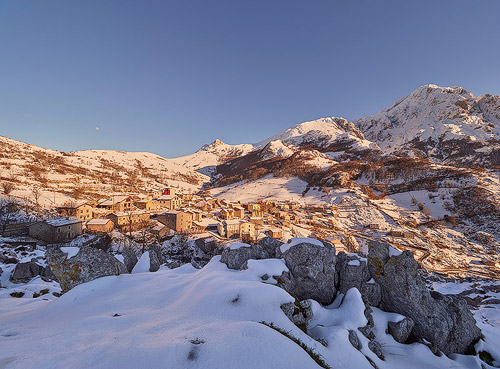
Due to its complex geological history, Asturias has a wide variety of landscapes, from spectacular beaches and cliffs up to 100 meters in coastal areas to stunning mountains belonging to the Cantabrian Mountains range. These mountains, with 2500 meters of altitude, are separated from the coast less than 50 kilometers and are clearly visible from several points along the oriental coast. The most important mountainous area is located in the Picos de Europa National Park, where the more representative summit is the Picu Urriellu or Naranjo de Bulnes. When weather permits, you can get a wonderful view of it from different locations. Other mountainous areas are the Redes Park in the east, the Ubiñas in the central region and the Somiedo Park in the west zone.
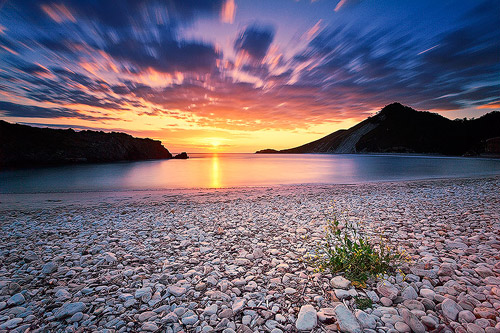
The Asturian coastline is extensive, with hundreds of beaches, coves and natural sea caves. Notable examples include the Playa del Silencio ( Beach of Silence ) near the fishing village of Cudillero, as well as the many beaches surrounding the summer resort of Llanes, such as the Barro, Ballota and Poo. Most of Asturias beaches are sandy, clean and bordered by steep cliffs, on top of which it is not unusual to see grazing livestock.
The climate of Asturias, as with the rest of northwest Spain, is more varied than that of southern parts of the country. Summers are generally humid and warm, with considerable sunshine, but also some rain. Winters are cold with some very cold snaps. The cold is especially felt in the mountains, where snow is present during the winter.
Asturias attracts people from around the world to carry out the most diverse outdoor activities: walks, trekking, climbing, hiking on foot, bicycle routes, etc. All of them enjoying the most varied environments: alpine areas of the Picos de Europa, the big western hills and coastal karst of the Picos de Europa and the beaches, estuaries and coastal cliffs.
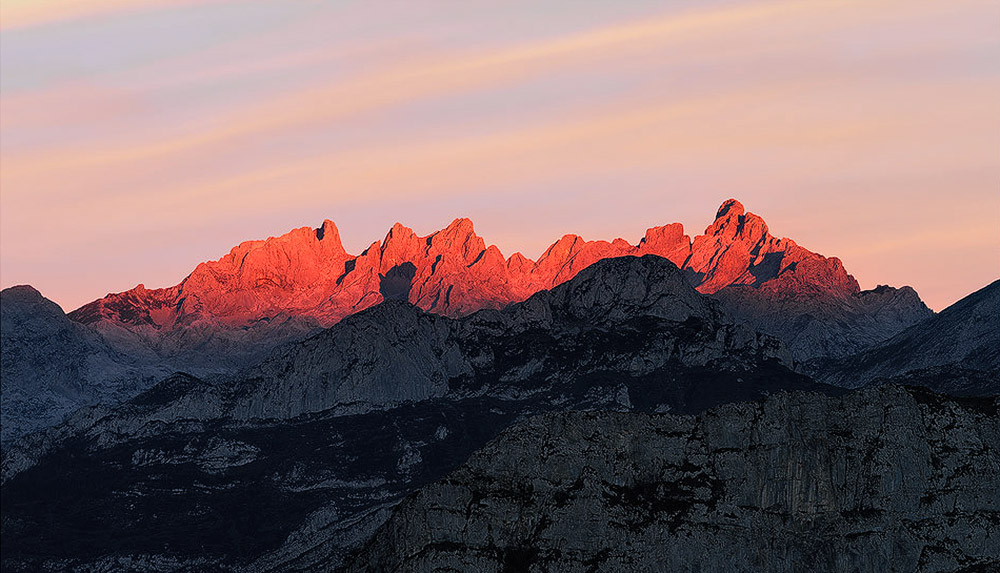
n short Asturias is by nature and history, infrastructure and services, a high-quality place for all lovers of outdoor activities, and very special for lovers of photography. Any lover of photography, regardless of the level, will be inspired by the landscapes of the region.
© 2011 JUAN DE TURY PHOTOGRAPHY. ALL RIGHTS RESERVED.
Unless otherwise indicated, all texts, images and photographic fine art images showed in this website are property of Juan de Tury Fotografía. All elements cited before are protected by copyright, moral rights, royalties, remuneration for private copying, trademark and other insternational laws relating to the protection of intellectual property. Downloading, copying, or re-transmitting any or all of the before cited elements by any method without a written license or agreement with the owner of this web site, is prohibited.